08 September 2026
Liquor Packaging Box Specs for Heavier, Squat, Stoppered Spirits
A liquor packaging box is not a wine box with a different label. Spirits bottles are heavier, often square or squat, and many carry a tall decorative stopper. That changes the board, the insert, the lid, and the finish. This post walks through what to look for before you order.
The Bottle Changes Everything
A wine bottle is round and relatively light. A spirits bottle is different. The glass is heavier, the body is often square or squat, and many bottles carry a tall decorative stopper. That stopper has to survive being closed, carried, and stacked. If the lid presses on it, you have a cracked stopper and a dented bottle. The whole spec starts here.
This is not a small adjustment. It changes how much board the base needs, and whether a lid can close without crushing the stopper. If you copy a wine box spec onto a spirits bottle, you are solving the wrong problem. Start with the bottle in your hand, not with a wine template. A 750 ml spirits bottle is the common volume, but the shape, not the volume, drives the spec.
Board Weight For Heavier Glass
Our board standard sets greyboard at 1200 g as the minimum. For spirits, we recommend 1400 g. The heavier glass loads the base, and the base must not bow. The facing paper starts at 157 g specialty or coated paper. No recycled greyboard and no high-moisture paper. If the paper is too light, the box will look fine in the sample and fail in the truck. For a heavier bottle, the base is the first part to show fatigue.
Holding a Square or Shouldered Bottle
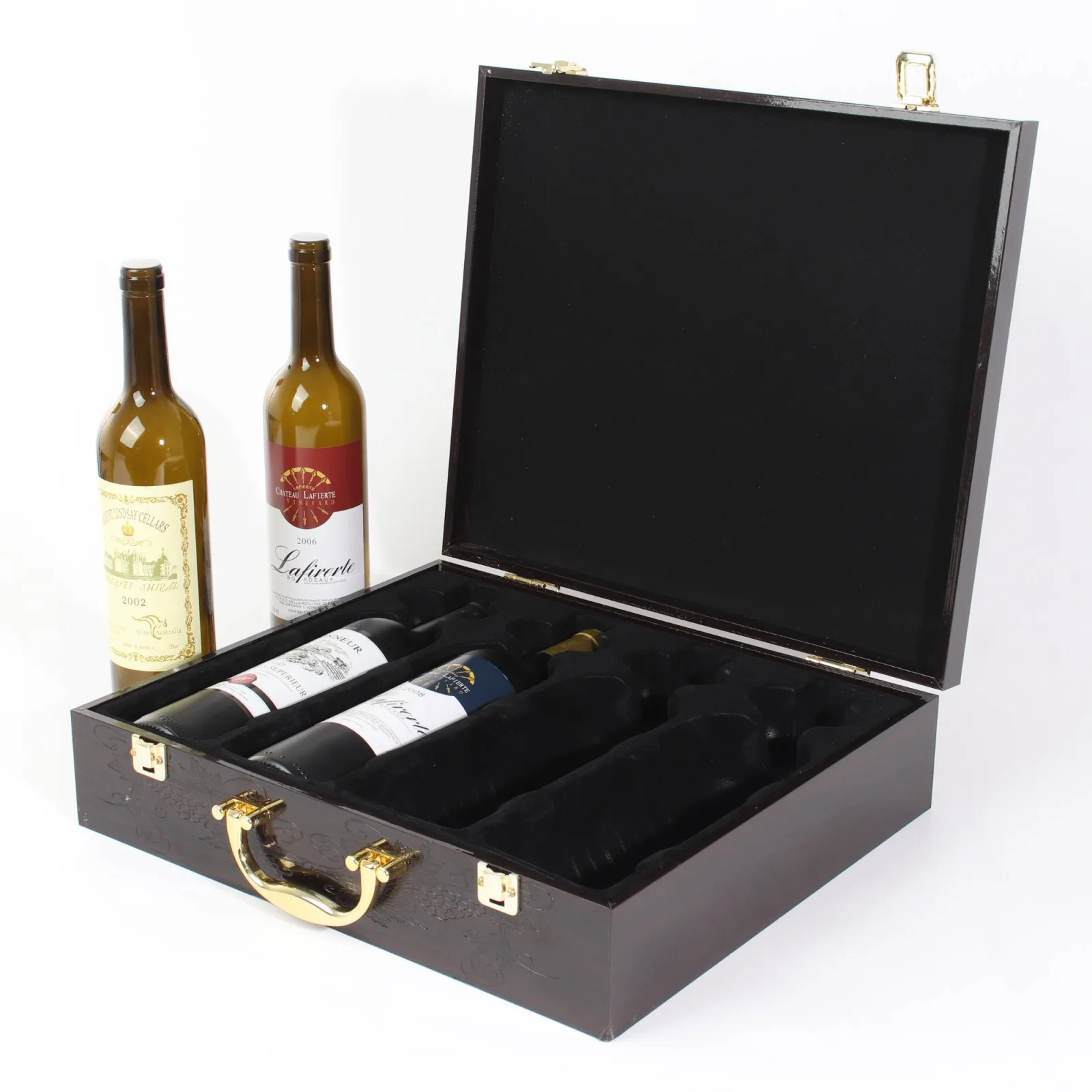
The insert must hold the bottle at four points. For a square or shouldered body, the contact points go on the body, not under the shoulder. We check the fit by shaking the loaded box for ten seconds with no movement, tilting to 45 degrees with no slide, and inverting with no release. The insert tolerance is plus or minus 1 mm, and the box body is plus or minus 2 mm.
A tall stopper needs clearance. That often means a recessed lid or a two piece insert so the stopper does not touch the lid. If the lid is flat, the stopper will be the first thing to crack. We have seen it happen, and it is not a subtle failure. A little clearance is the difference between a clean unboxing and a broken stopper.
- Four-point contact on the body keeps the bottle from rocking.
- Ten second shake, 45 degree tilt, and full inversion are the checks we run.
- Two piece inserts give the stopper its own space.
- The box body tolerance is plus or minus 2 mm, and the insert is plus or minus 1 mm.
Choosing the Right Box Structure
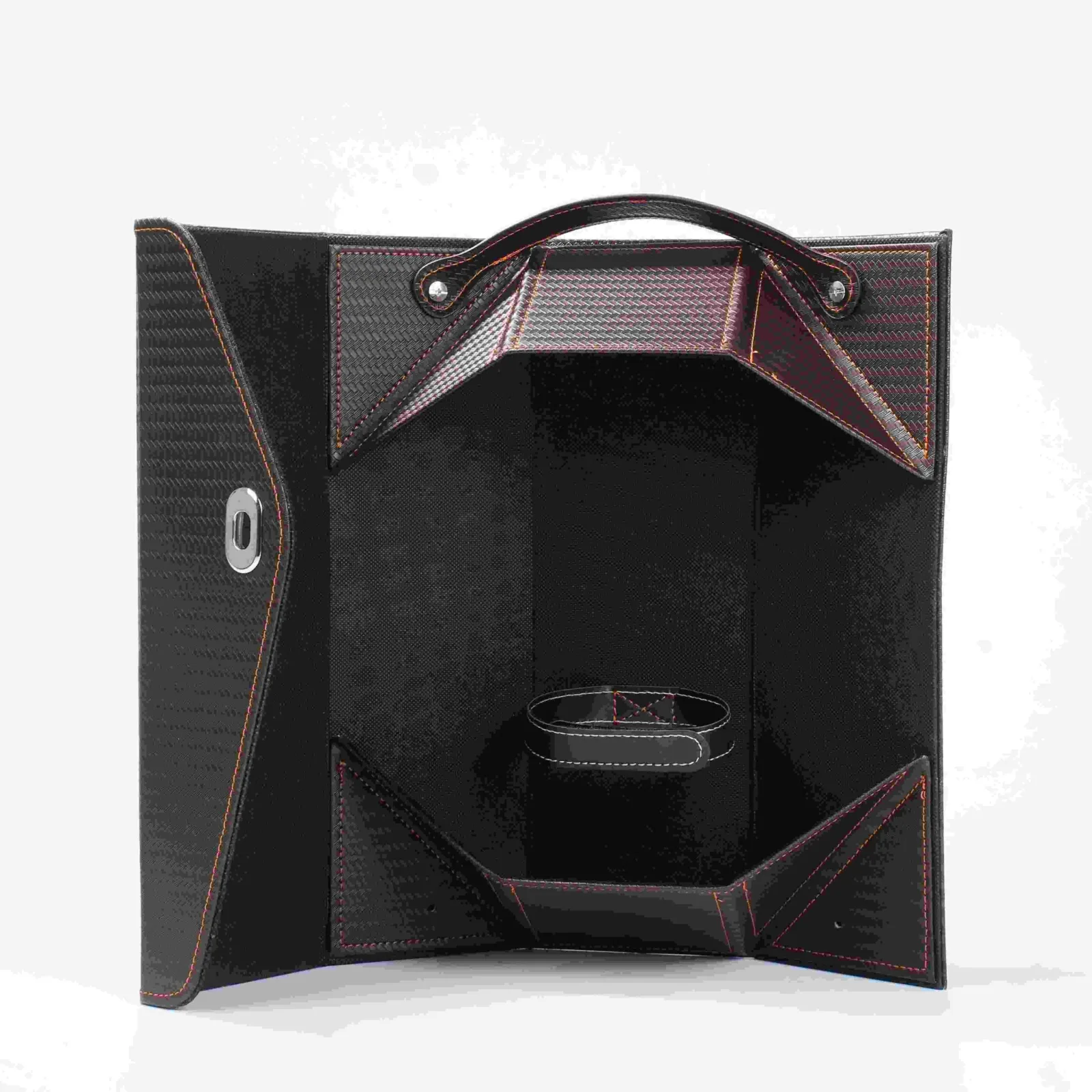
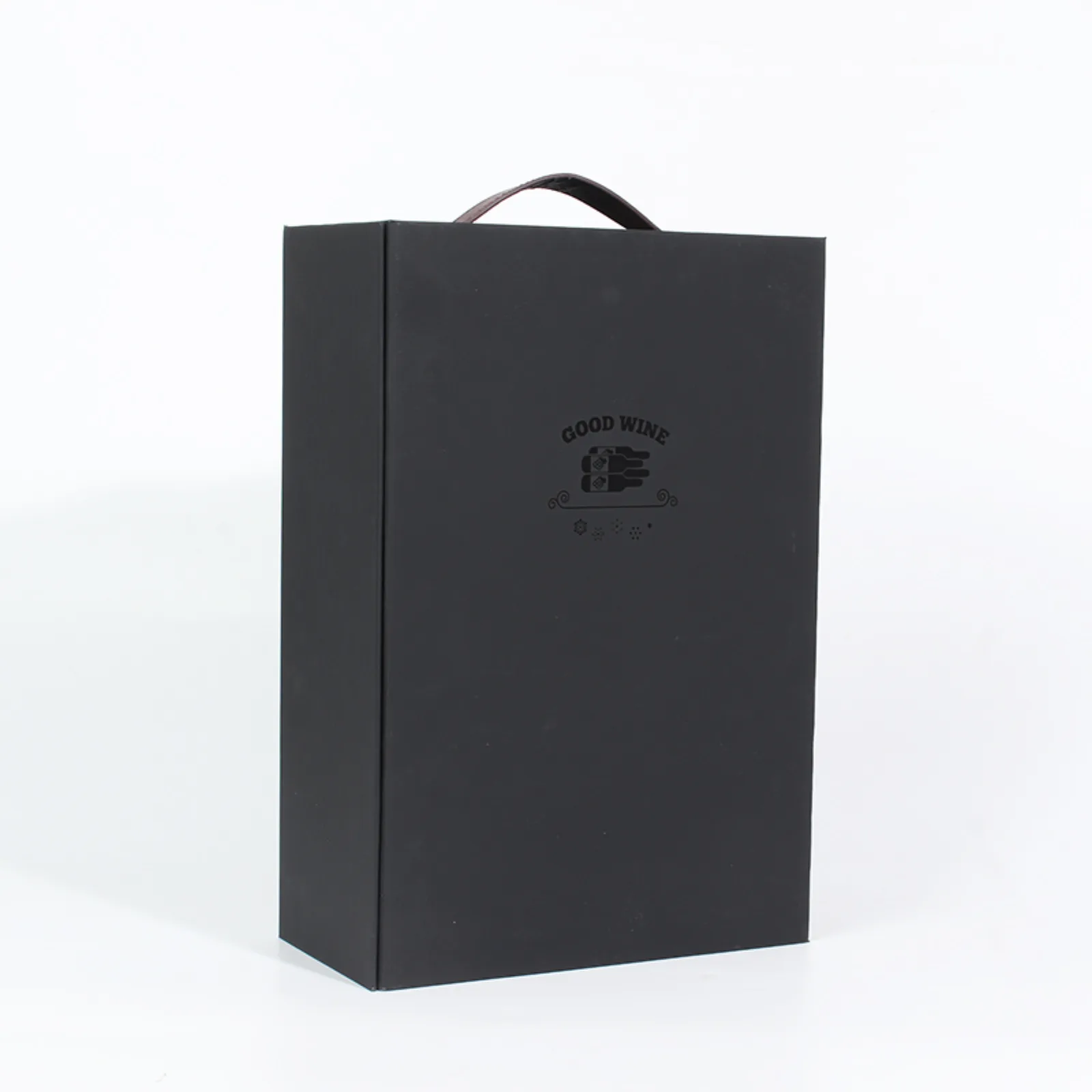
We build several structures for liquor bottles. A rigid lid-and-base box is the safest default for a tall stoppered bottle. A magnetic closure gives a clean close, but the magnet position must be within plus or minus 1 mm. A drawer box lets the bottle slide during opening. A foldable box needs creases that do not crack. A double-door box and a box with handles both work, but the handles must clear the stopper.
Use a drawer box only when the bottle is light enough that sliding during opening does not risk impact, and the stopper is short enough to clear the drawer opening. For most spirits bottles with tall stoppers, a rigid lid-and-base box is the preferred answer. A two piece lid can also give the stopper room without changing the base. It protects the stopper and keeps the base simple.
Which structure fits your bottle? If you are deciding, start with the Single-Bottle Spirits Gift Box page, which shows how we pair the box to a single spirits bottle. It is not the only option, but it is the cleanest starting point. We have built these boxes for customers in over 30 countries, and the single bottle layout is the one we recommend first.
Finishing, Foil, and Hard to Hold Colours
Spirits packaging leans on dark solids and metallics. We use specialty paper, kraft paper, white card, gold and silver cardboard, flocked paper, and leather-textured paper as facing papers. For the box itself, greyboard with specialty paper is the base. Black, deep blue, and burgundy are the hardest colours to hold across a run. We protect them with first-article approval and mid-run sampling. Metallics read premium, but they also show scratches, so the paper finish has to be consistent.
For the unboxing moment, add foil stamping, embossing, and spot UV. The foil should sit flat, the embossing should be crisp, and the spot UV should follow the brand mark. If the finish is off, the gift looks cheaper than it should. This is where the sample and the run have to match. The foil, embossing, and spot UV are not decoration; they are the part your buyer sees first.
Adding a Glass or Accessory
Some liquor gifts include a glass, a bottle opener, or another accessory. When a glass or accessory shares the box, the insert depth has to be planned around both items. A glass is round and fragile. The insert must cradle it without squeezing, and the bottle and glass must not touch each other. If the glass touches the bottle, one of them will chip. If you are doing corporate gifting, the accessory is often the most photographed item. The Single-Bottle Wine Gift Boxes page shows the general insert layout for a bottle plus glass, but for spirits the base needs the heavier board and stopper clearance described in this article.
What to Send for a Quote
To start, send the bottle sample or the exact bottle dimensions. Include the quantity, a reference design, and the gifting occasion. If you need a sample, we make two sample types: a blank sample for structure and a printed sample for the visual. You can also browse our Custom Wine Gift Box Manufacturing process. Payment can be T/T or PayPal, and shipping can be air, sea, or express. The more complete your brief, the fewer back-and-forth rounds.
In-House Checks Before Shipment
We run in-house pre-shipment checks before any box leaves the factory. The box is dropped from 1.2 m on six faces with the bottle loaded. It is stacked under a top load of 40 kg for 24 hours. Vibration is simulated for truck and sea freight. The goal is simple: no internal movement, no bowing base, and no cracked stopper. If one of these checks fails, we fix it before the box ships. We record the result and adjust the box before it reaches your buyer.
These checks are ours, not a named standard. They protect your buyer. A courier van gets loaded and unloaded several times before it reaches the customer, and the box has to survive all of it. This is where a 1.2 m drop and a 40 kg stack tell you what the road will do. These checks are not a named standard. They are our in-house checks.
Key points
- Start with the bottle: heavier, square, and stoppered spirits bottles need a stronger base than wine bottles.
- Use 1400 g greyboard and 157 g facing paper so the base does not bow under the glass.
- Hold the bottle at four points on the body, and check with shake, tilt, and invert.
- Choose a structure that clears the stopper; drawer boxes can let the bottle slide.
- Send the bottle sample, quantity, reference design, and occasion so we can spec the right box.
Questions buyers ask
How is a liquor packaging box different from a wine box?
A liquor packaging box usually starts from a heavier and often square bottle. The base needs stronger board, the insert must hold the bottle at four points on the body, and the lid must clear a tall stopper. A wine box is round, lighter, and simpler to close. If you copy the wine spec, the stopper is the first thing that breaks.
Which box structure suits a tall stoppered spirits bottle?
A rigid lid-and-base box is the safest structure. A magnetic closure works if the magnet is placed within plus or minus 1 mm. Avoid drawer boxes for tall stoppers because the bottle can slide during opening. A foldable box needs creases that do not crack, and the corners must be 90 degrees when erected.
What information do you need from me?
Send a bottle sample or the exact dimensions, the quantity, a reference design, and the gifting occasion. If you need a sample, we offer a blank sample for structure and a printed sample for the visual. We can also help with material selection, printing, and finishing. A sample before mass production keeps both sides on the same page.
Email [email protected] to start your liquor packaging box project. Get a Quote
Put this on your bottle
Send the bottle sample or dimensions, quantity and a reference design. We reply with structure options and pricing.
- Email[email protected]